Visual Storytelling: A Beginner’s Guide
I’ve always been interested in what a photograph can make us feel, not simply what it shows us. Over the years, visual storytelling has become a huge part of the way I photograph. I use it to create images that feel familiar, emotive and lived-in, whether I’m capturing the quiet details of slow living or helping a brand communicate something meaningful to its audience.
In this guide, I’m going to share some of the ways I approach visual storytelling and how you can begin creating stories of your own, whatever your experience behind the camera. But first, what actually is visual storytelling?
What Is Visual Storytelling?
Visual storytelling is the art of communicating an idea, emotion or experience through a considered gallery or collection of images.
Rather than relying on a single beautiful photograph to do everything, visual storytelling considers setting, light, composition, human connection and all the small details that gradually reveal a wider narrative.
We aren’t looking for something strictly linear; a story can be images that convey a general feeling. It can follow a clear sequence from beginning to end, or it can be quieter and more abstract, evoking a mood, a memory, a sense of place, or sometimes the core values of a brand, person or collective. What matters is that the images belong together and give the viewer something to recognise, feel or understand.
We are surrounded by technically accomplished images. The photographs we remember are rarely memorable because they are perfect. We remember them because they make us feel as though we have stepped into a world, witnessed something honest or recognised a fragment of ourselves.
This is particularly important in brand photography. A business does not need a random bank of attractive content. It needs imagery that communicates its personality, values and point of view. A thoughtful visual story can show how a product fits into somebody's life, reveal the hands and processes behind a craft, or make the atmosphere of a service tangible before a client has experienced it for themselves.
“Storytelling turns imagery from decoration into communication. It gives every creative decision a reason.”


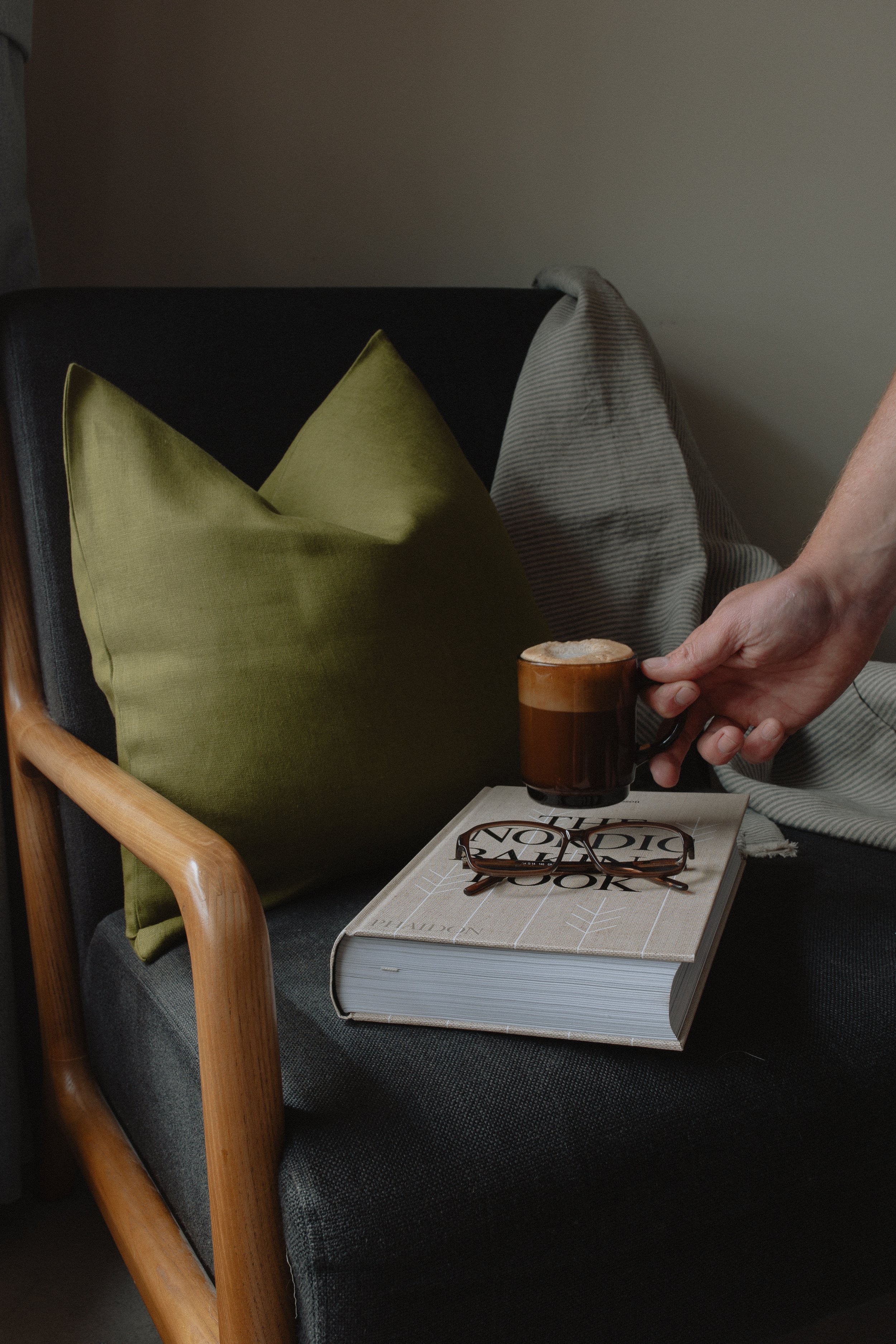
For example, imagine we’re creating a visual story for a new coffee shop. We want to capture the feeling of being in that space, not simply how it looks. We might want to show the setting, the products, the interactions taking place and the small details that create its atmosphere. Once we understand how the coffee shop should make someone feel, we can begin piecing together the different scenes that will bring that story to life.

What we don’t want is simply one beautiful image after another without anything connecting them. The photographs need to work together, gradually revealing the atmosphere, people and personality of the coffee shop.
We might begin with a wider image that establishes the space before moving closer: a barista preparing coffee, steam rising from the machine, hands wrapped around a warm cup, friends talking across a table and the smaller details that give the shop its character. Together, these moments allow the viewer to imagine what it might feel like to step inside.
Light and composition should support that feeling. If the coffee shop is warm, familiar and unhurried, we might photograph it in soft morning light, leaving room within the frame and focusing on natural interactions rather than overly staged poses. The objects we include should feel equally considered. Handmade cups, well-used tools, a handwritten menu, freshly baked pastries or flowers on the tables can all add depth, but only when they genuinely belong to the space; that’s the key. Props should reveal something true about the brand, rather than being added simply because they look attractive.
People aren’t essential to every visual story, but their presence can give the viewer an immediate point of connection. In our coffee shop example, we might photograph the barista passing a cup across the counter, someone settling into a quiet corner with a book, or friends leaning towards one another in conversation. These small, familiar interactions help the audience imagine themselves within the space.
Think carefully about who appears in the photographs and whether they reflect the people the coffee shop genuinely hopes to welcome. Clothing, gesture and expression all contribute to the atmosphere, but they should feel natural rather than overly directed. By showing people experiencing the space, we move beyond documenting what the coffee shop looks like and begin communicating how it feels to be there.
Next, consider how the objects within each scene are composed. Their placement should guide the viewer’s eye towards the details that matter most. In our coffee shop, we might photograph a handmade cup in someone’s hands, focus on the coffee being poured, or frame the barista through the shapes and objects on the counter. A wider composition could reveal the character of the space, while a close detail of the cups, pastries or handwritten menu creates a more intimate view.
Every element within the frame should contribute something to the story. Thoughtful composition creates emphasis, directing the viewer towards the details that reveal the coffee shop’s atmosphere, values and personality.


Telling the Story Through Light
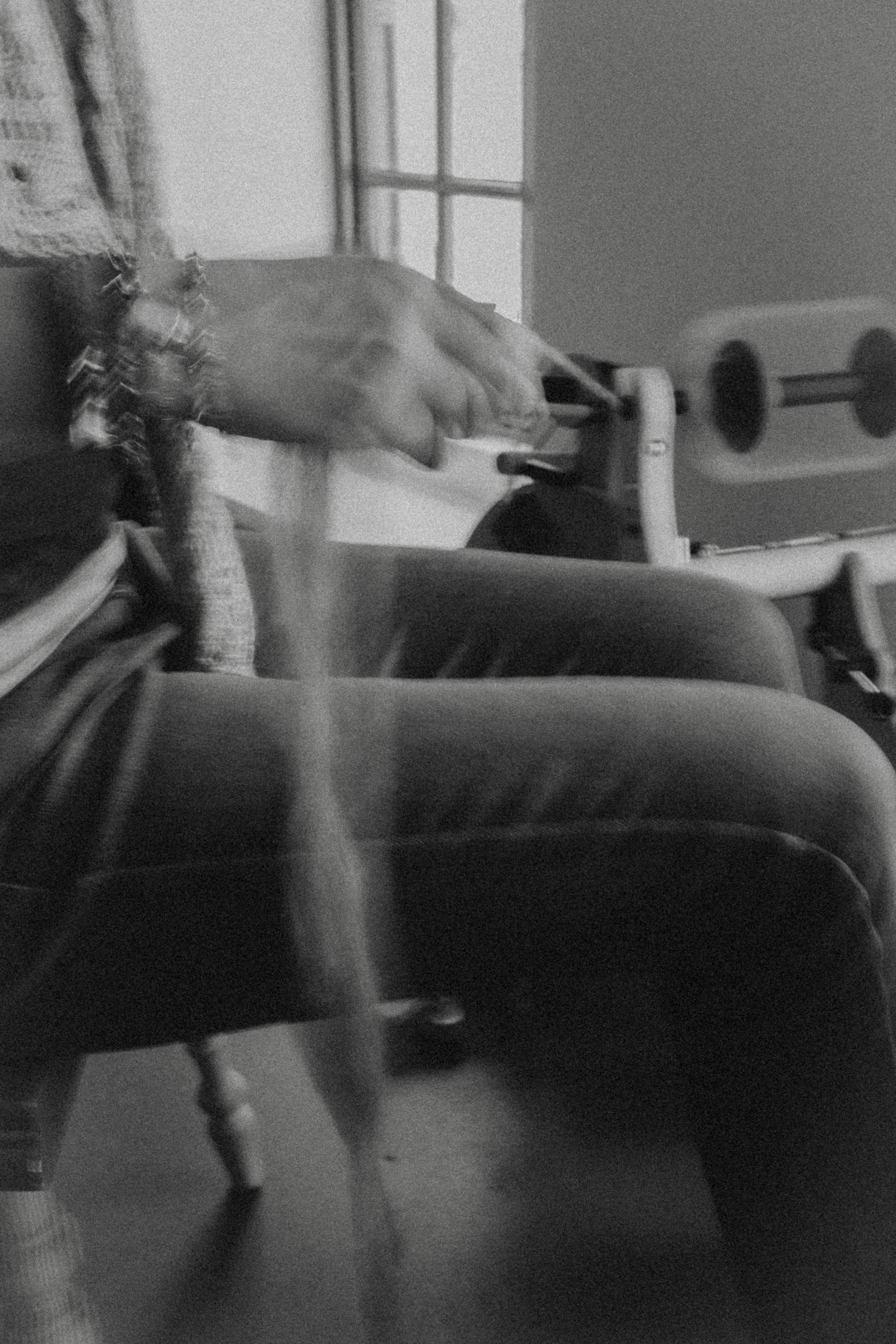
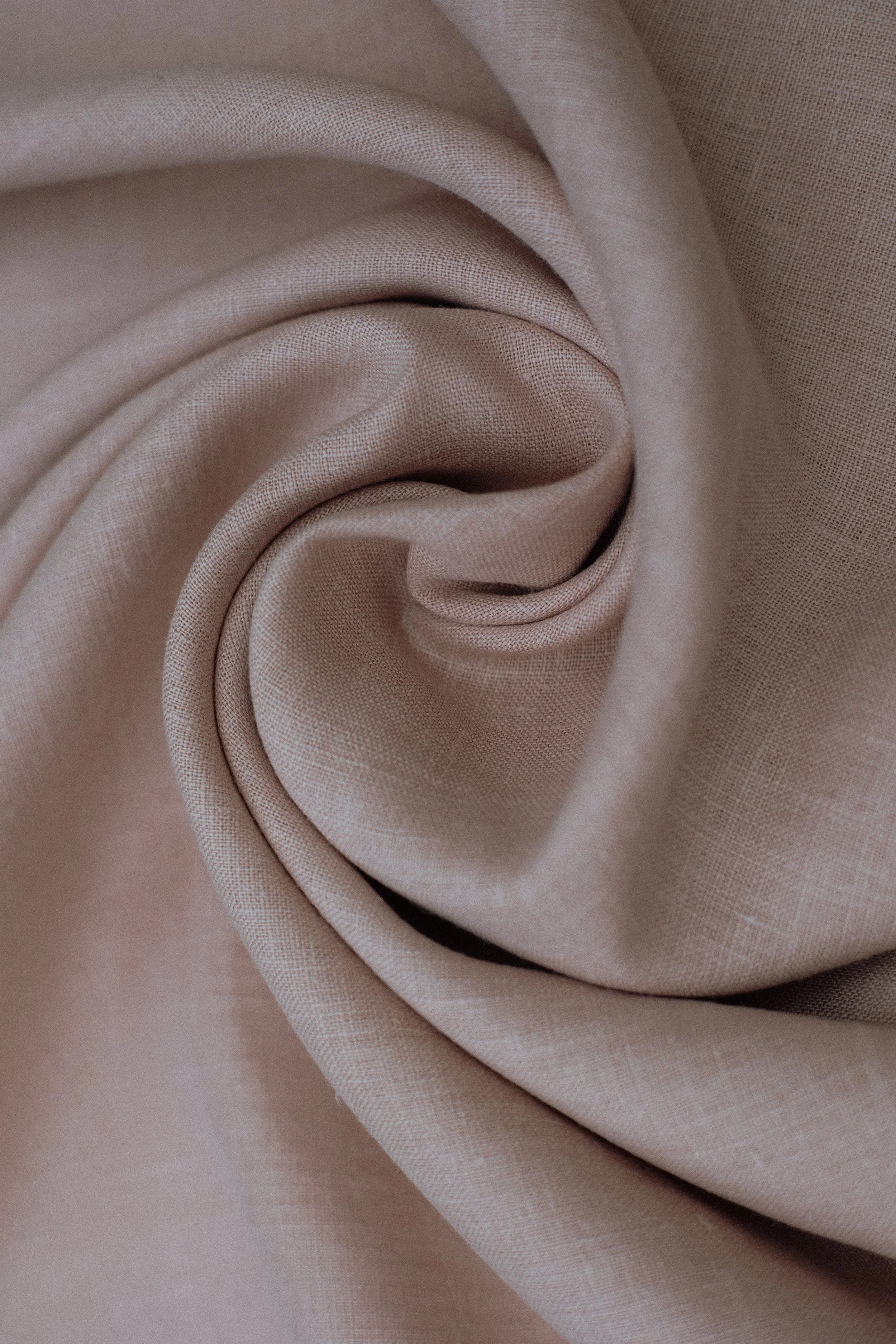
Light changes the whole feeling of an image. Soft window light can make a scene feel quiet and intimate, while direct sunlight can bring energy or a little tension. Deep shadows can make an image feel thoughtful, mysterious or still. Rather than seeing light as purely technical, think about what it adds to the story and how you want somebody to feel when they see it.
The light doesn’t need to be exactly the same in every image, either. It will naturally shift as you move through a space or photograph at different points in the day. What matters is that those changes make sense together and feel like part of the same world.
Create a Sequence Rather Than a Collection
A handful of lovely photographs doesn’t necessarily make a visual story. You need to think about how the images speak to one another and what each one adds. Which image welcomes us into the story? Which one pulls us closer? Where do we begin to understand the person, place or brand? And what feels like the natural ending?
There isn’t a perfect number of photographs. Some stories might only need five, while others need far more room. I usually look for a mixture of wider images that establish the space, human moments, actions, meaningful details and something quieter to finish on. It isn’t a formula, but it gives the story a sense of movement. You might also need to leave out an image you really love because it doesn’t quite belong. That can be difficult, but the most beautiful photograph isn’t always the one the story needs.
Edit for Feeling and Cohesion
Editing is where all of those individual photographs begin to feel like one story. Colour, contrast, warmth and grain can help bring everything together, but the aim isn’t to force every image to look exactly the same. You still want each photograph to have its own life. This is a huge part of why I created my Storytelling Lightroom Presets.They’re designed to give your photographs a warm, emotive starting point and help a collection feel cohesive, without taking away the character of the original images or the story you’re trying to tell.
Try looking at the photographs together rather than editing each one on its own. Does one suddenly feel much cooler or brighter than the others? Have you included so many close-up details that the story has started to feel cramped? Are several images saying exactly the same thing? You’re looking for a thread that gently runs through the whole collection. It shouldn’t feel overly polished or perfectly matched. Just considered, connected and true to the feeling you began with.
Visual Storytelling for Brands
Brand storytelling photography goes beyond headshots, products and photographs of somebody typing at a laptop. It captures the person, process and feeling behind a business, creating something people can connect with rather than simply look at.
A photograph of a baker holding a loaf shows us the person and the product. But flour across the worktop, hands shaping dough, early light coming through the window and the first loaf being broken open tell us something more. We begin to feel the patience, ritual and care behind the brand.
This is what I look for when planning a shoot: the small details people remember, the atmosphere the work creates and the emotional centre of the business. From there, every choice, from the setting and styling to the quiet moments between the obvious shots, helps build a visual story that feels recognisably yours.
If you’re a photographer who wants to create more emotive, story-led work, I offer one-to-one photography mentoring where we can explore your ideas, strengthen your visual storytelling and help you develop an approach that feels like your own. Or, if you’re building a creative brand and want me to tell that story for you, you can explore my brand storytelling photography sessions.
Love, Charlie x